Dua Foundation

Enabling Sustainable Incomes and Economic Resilience

livelihood 1

Why We Do

Livelihood security is central to human dignity, self-reliance, and long-term community development. However, millions of individuals in India remain trapped in cycles of low-income and informal employment due to limited access to education, vocational skills, capital, and market opportunities. Rapid economic shifts, automation, climate vulnerability, and urban migration have further intensified livelihood insecurity, particularly for youth, women, migrants, and marginalized communities.

A significant portion of India’s workforce operates in the informal sector, lacking job stability, social security, or opportunities for skill enhancement. Traditional livelihoods such as agriculture, crafts, and small enterprises face challenges of low productivity, limited market access, and poor financial literacy. Women, despite playing a critical role in household and local economies, continue to face structural barriers to income generation and entrepreneurship.

At DUA Foundation, we believe that sustainable livelihoods are the cornerstone of inclusive development. Economic empowerment must go beyond short-term employment to enable individuals with skills, confidence, and resources to adapt, grow, and thrive in a changing economy.
livelihood 5
livelihood (1)

What We Do

DUA Foundation works to enhance employability, promote entrepreneurship, and strengthen income-generation opportunities for underserved communities. Our livelihood programs focus on building relevant skills, enabling market linkages, and fostering financial resilience.

Our work is aligned with Sustainable Development Goals 1 (No Poverty), 8 (Decent Work and Economic Growth), and 10 (Reduced Inequalities). We adopt a market oriented, demand-driven approach that ensures skills and enterprises remain relevant and sustainable.

Our Interventions

1. Skill Development & Employability Training

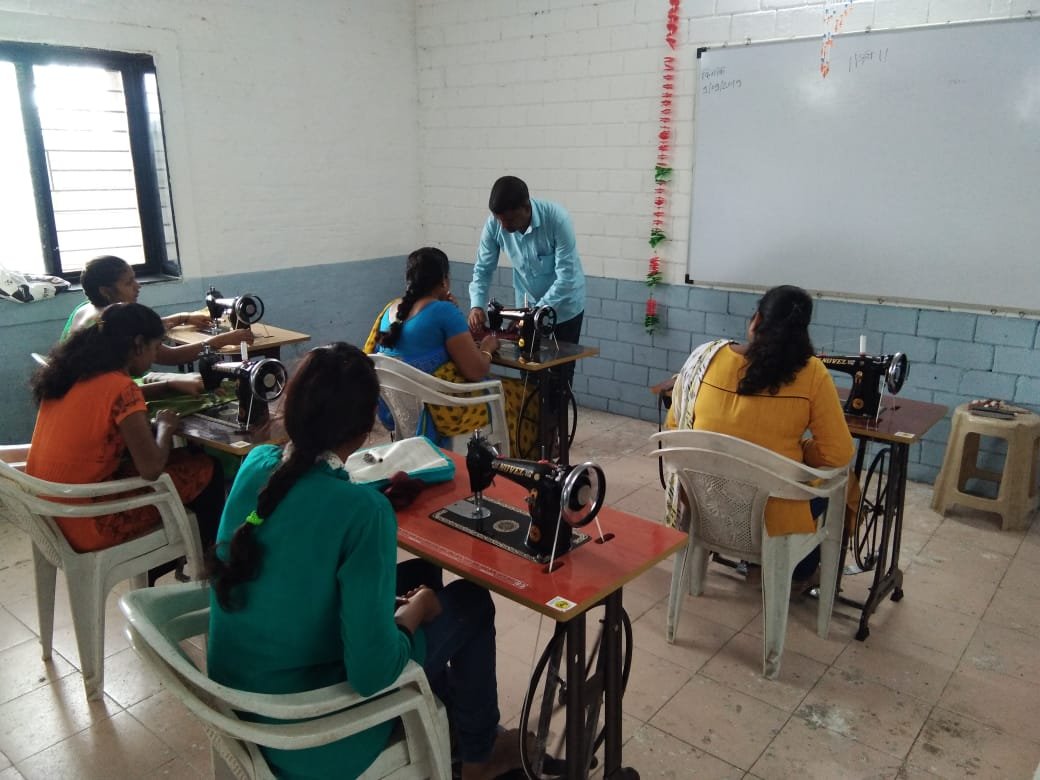
We provide vocational and soft skills training tailored to local market needs. Training modules include technical skills, digital literacy, communication, and workplace readiness, enabling participants to access better employment opportunities.

2. Entrepreneurship & Micro-Enterprise Support

We support aspiring entrepreneurs through capacity building, business planning, mentorship, and access to information on credit and government schemes. Our focus is on promoting small enterprises, home-based businesses, and collective economic models.

3. Women-Centric Livelihood Programs

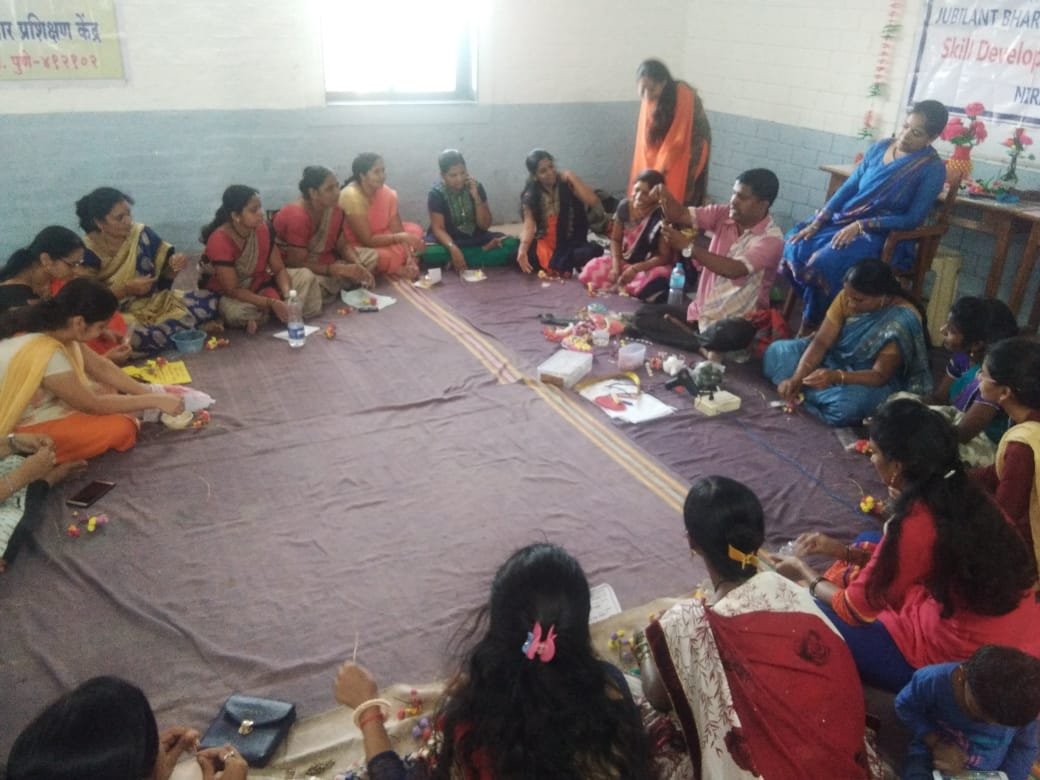
Recognizing the transformative impact of women’s economic participation, we implement gender-responsive livelihood initiatives that address mobility, care responsibilities, and access to markets. Women are supported through self-help groups, producer collectives, and skill-based income activities.

4. Youth Livelihood Pathways

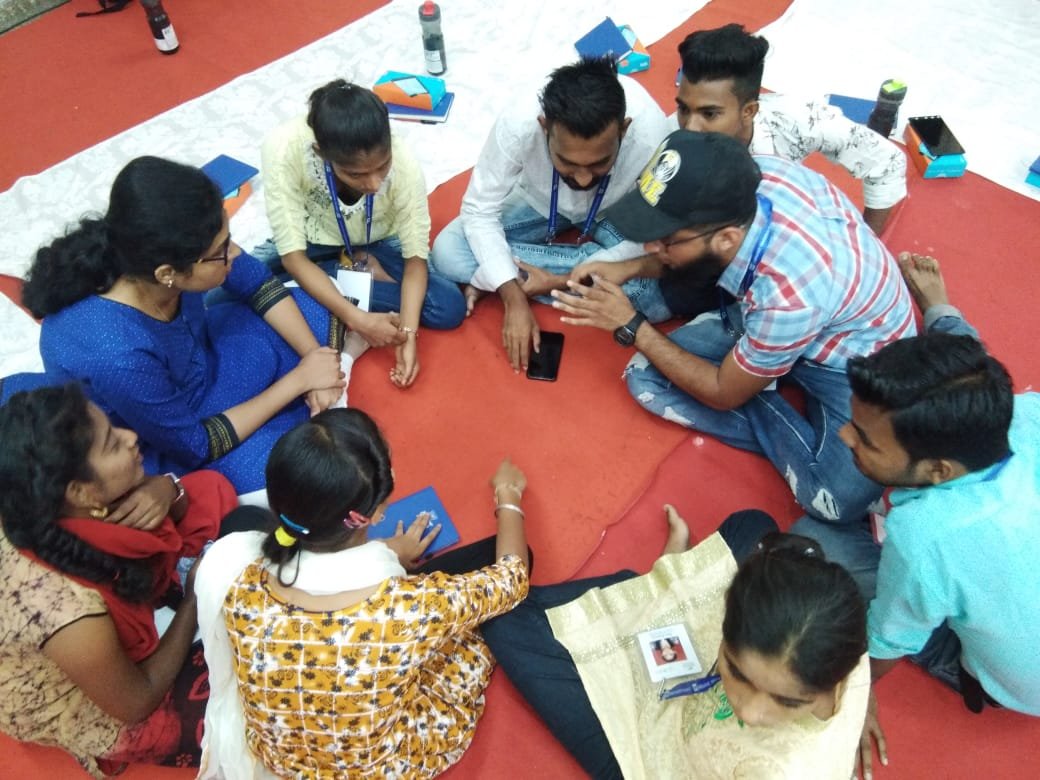
We work with youth from underserved backgrounds to build employability pathways through career guidance, vocational exposure, and life skills training. Our programs aim to bridge the gap between education and employment.

5. Financial Literacy & Inclusion

Financial capability is critical for sustained livelihoods. We conduct sessions on savings, budgeting, credit management, insurance, and digital financial tools to enhance financial resilience and reduce vulnerability to economic shocks.

6. Market Linkages & Value Chain Integration

We facilitate access to markets by linking producers and skilled individuals with buyers, aggregators, and service providers. Strengthening value chains helps participants increase income and improve product viability.

Our Focus

Our livelihood initiatives prioritize:

  • Youth from low-income households
  • Women and women-led enterprises
  • Informal sector workers and migrants
  • Small producers, artisans, and micro-entrepreneurs
  • Communities vulnerable to economic and climate shocks

We emphasize inclusive participation and ensure interventions are context-specific and scalable.

Impact

DUA Foundation’s livelihood programs aim to deliver tangible economic outcomes while fostering long-term resilience.

Key impact outcomes include:

  • Improved employability and job readiness
  • Increased household incomes and income diversification
  • Enhanced financial literacy and inclusion
  • Strengthened women’s economic participation
  • Reduced vulnerability to economic shocks

We use structured monitoring, evaluation, and impact assessment frameworks to track income changes, employment outcomes, and enterprise sustainability.

Reach & Presence

Our livelihood programs are implemented across:

  • Urban informal settlements
  • Rural and peri-urban communities
  • Migrant and transitional population clusters

DUA Foundation works through:

  • Community-based training centers
  • Partnerships with industry, NGOs, and skill institutions
  • Convergence with government livelihood and skilling schemes

This ecosystem approach ensures relevance, scalability, and sustainability.

Looking Ahead

DUA Foundation envisions inclusive economies where individuals have the skills and opportunities to thrive. Moving forward, we aim to:

  • Expand digital and future-ready skill training
  • Strengthen women-led enterprise ecosystems
  • Build climate-resilient livelihood models
  • Deepen private sector and CSR partnerships

By investing in people’s capabilities and connecting them to opportunities, DUA Foundation is committed to advancing sustainable livelihoods and shared prosperity.